-
PRODUCTS AND SERVICES
-
RESOURCES
-
TECHNOLOGY
-
ABOUT US

BLOG
Learn the latest about Photonic
Quantum Computing

Thousands of Devices, Record Quantum Performance: Scaling Spin–Photon Interfaces for Hybrid Photonic Quantum Computing
Scaling a quantum computer requires more than one high-performing qubit. It requires many high-quality qubit devices that can be fabricated reproducibly and perform as consistently as possible. For hybrid photonic quantum computing, those devices are spin–photon interfaces: semiconductor structures that generate efficient, highly indistinguishable single photons, connect one spin to multiple photons and preserve the…

Photonic quantum computing for more data-efficient machine learning
Can a photonic quantum processor help machine learning make better use of limited data? Recent research explores how quantum optical reservoir computing can enrich data representations and support hybrid quantum-classical machine learning. FROM THE QUANDELA COMMUNITYThis article provides a broader perspective on research originally shared by Markus Rambach on the Quandela Hub Community Blog. The…

Quandela and CMC Microsystems initiate a partnership to expand photonic quantum computing access in Canada
Quandela and CMC Microsystems have signed a Memorandum of Understanding (MoU) to expand access to photonic quantum computing in Canada. As a first concrete step, Quandela will be included in CMC’s Quantum Computing Sandbox, giving eligible Canadian researchers and SMEs a supported route to explore Quandela’s photonic quantum computers through the cloud. The collaboration builds…
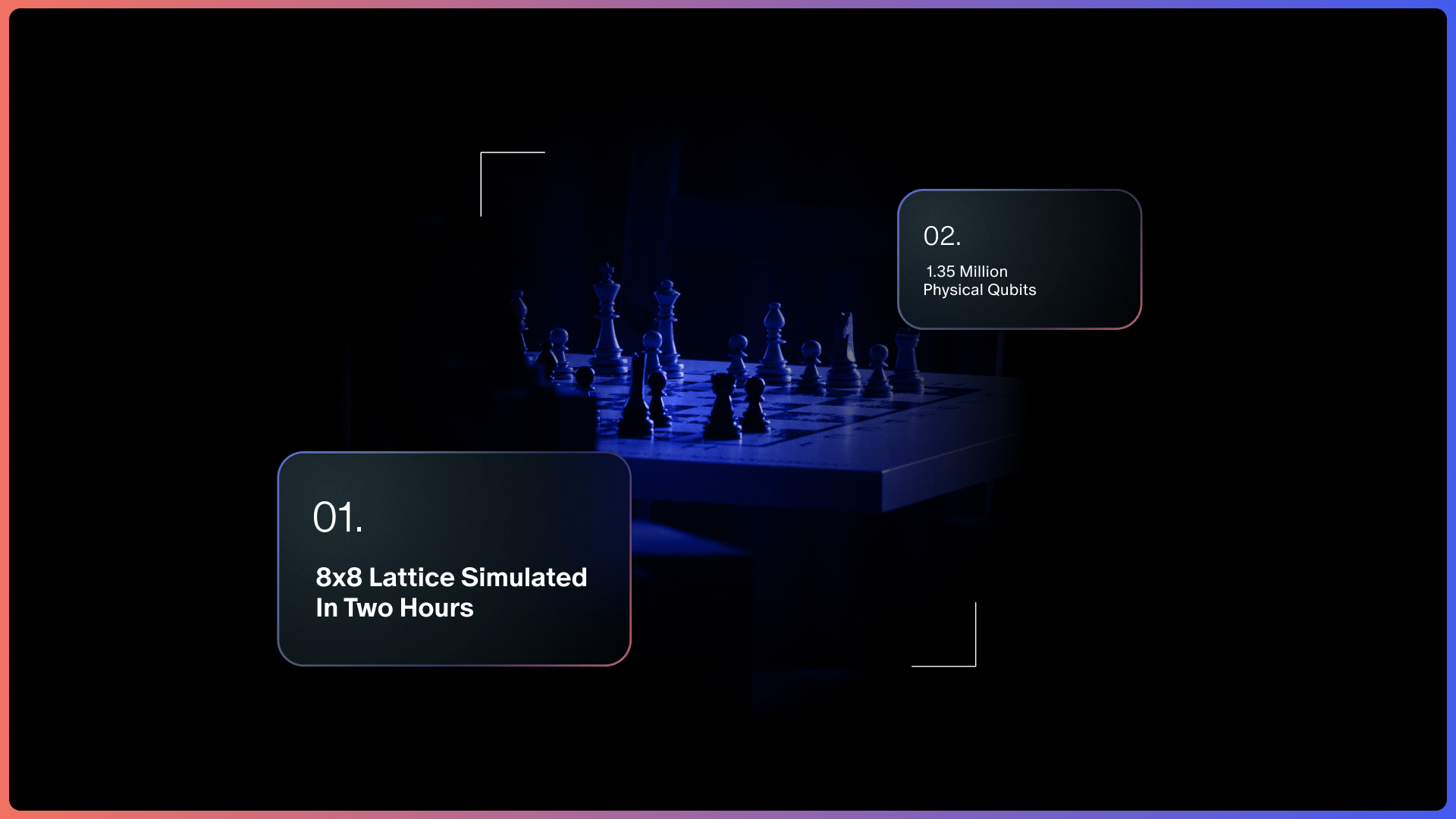
Mapping the Path to Useful Quantum Computing with Spin-Optical Architectures
Simulating the Fermi–Hubbard model is one of the most important problems in materials science, yet it quickly becomes intractable for classical computers. In a new study, Quandela and Walrus Computing show how a fault-tolerant spin-optical quantum computer could simulate a commercially relevant Fermi–Hubbard system in approximately two hours. The work provides one of the most…
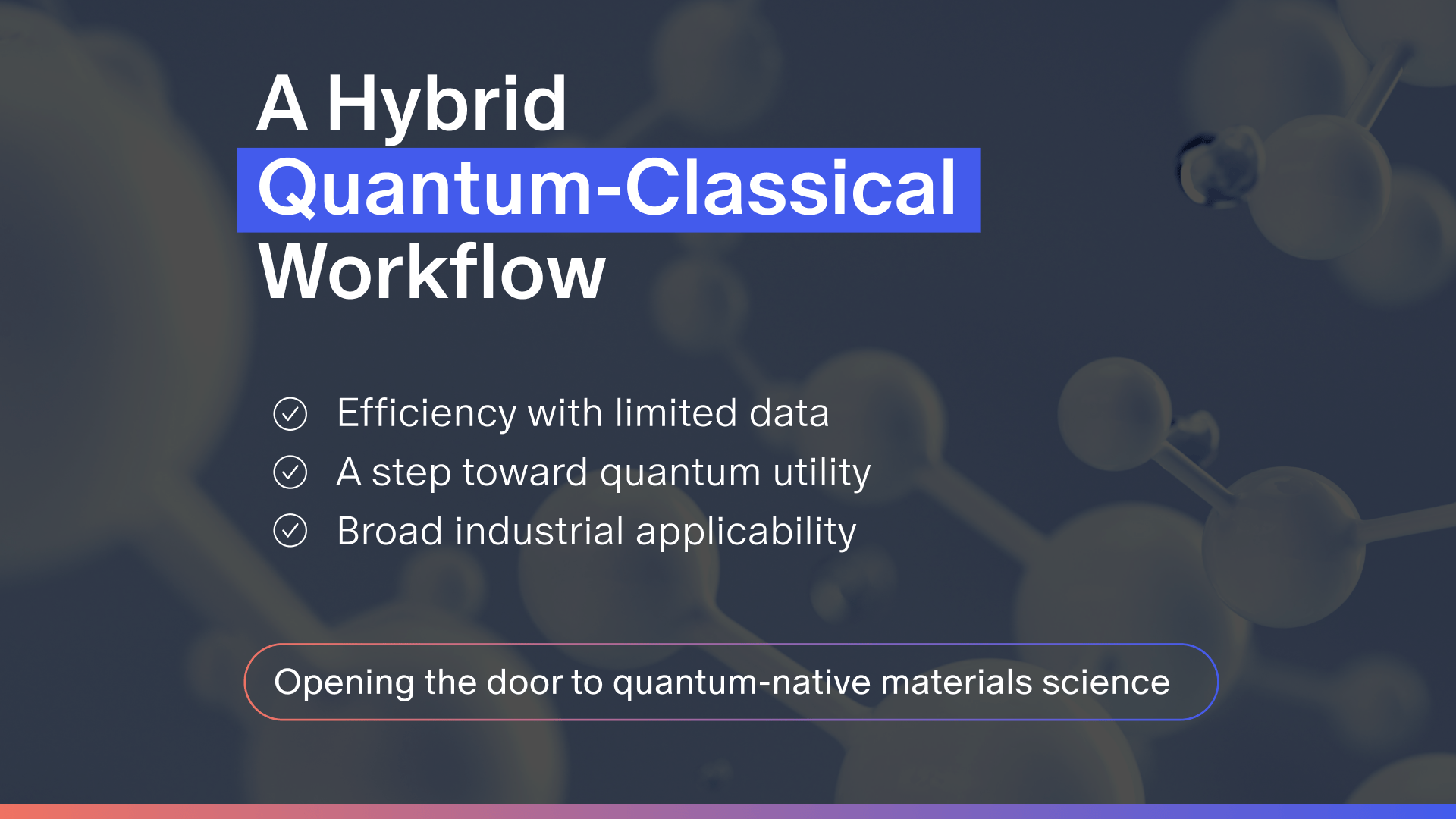
Predicting polymer behaviour with quantum machine learning: Lessons from the PolyT project
When data is scarce and structures are complex, can quantum computing help predict how materials behave? The PolyT project explored quantum machine learning for polymer stability, bringing together Quandela, TotalEnergies, Alysophil, and MBDA to tackle a major industrial challenge. The team explored polymer thermal stability, running experiments on real quantum hardware and producing results towards…
Real-Time GPU–QPU Integration for Photonic Quantum Machine Learning using NVQLink
Current quantum computing infrastructures were designed around a cloud execution model in which the Quantum Processing Unit (QPU) is treated as a remote resource. In this model, a machine learning workload running on a GPU must hand data back to a classical host CPU, which coordinates the application workflow and quantum job submission. The system…
find out more
Start your journey with the
power of quantum
Find out what our Photonic Quantum power can do for you.