

Quandela and CMC Microsystems have signed a Memorandum of Understanding (MoU) to expand access to photonic quantum computing in Canada. As a first concrete step, Quandela will be included in CMC’s Quantum Computing Sandbox, giving eligible Canadian researchers and SMEs a supported route to explore Quandela’s photonic quantum computers through the cloud.
The collaboration builds on Quandela’s existing presence in Canada and broadens access to photonic quantum computing for Canadian research, innovation and business communities.
Expanding access to photonic quantum computing in Canada
Canada’s quantum ecosystem has the ingredients needed to turn research strength into practical capability: universities, start-ups, industrial users, public programs and a growing base of technical talent.
The next step is access. More Canadian teams need opportunities to test quantum computers directly, compare approaches and build experience with real systems before large-scale adoption decisions are made.
Quandela and CMC Microsystems have signed a Memorandum of Understanding to develop their collaboration in Canada. The first concrete step is Quandela’s integration into CMC’s Quantum Computing Sandbox, where it will be included as a cloud quantum computing access provider.
Through the program, eligible Canadian academics and small and medium-sized enterprises will be able to explore Quandela’s photonic quantum technology as part of a structured, supported project environment.
The collaboration builds on Quandela’s existing engagement in Canada, including its Montréal presence and photonic quantum computing infrastructure already deployed in the country. For Canadian researchers and businesses exploring quantum technologies, the CMC partnership adds another practical route to access and evaluate photonic quantum computing.
From an MoU to practical collaboration
The Memorandum of Understanding establishes a framework for cooperation between CMC and Quandela around quantum cloud access and the exploration of potential joint development opportunities.
As part of the Quantum Computing Sandbox, CMC will include Quandela among its cloud access providers and share the requirements of relevant applications submitted to the program. Quandela can then assess those needs and work with CMC to define suitable access and support for individual projects.
That connection between user needs and technology is particularly important at this stage of quantum adoption. A Canadian SME may want to investigate an optimization problem. A university research team may need to test an algorithm on real hardware. Others may simply need enough hands-on experience to decide whether a particular quantum approach deserves further investment.
The Sandbox provides a framework for turning those questions into experiments.
A supported environment for quantum experimentation
CMC’s Quantum Computing Sandbox is part of the FABrIC program, supported by the Government of Canada’s Strategic Innovation Fund. It provides eligible Canadian academics and SMEs with funded cloud access to quantum computing resources, alongside technical support and structured project formats.
This makes it possible for organizations to start experimenting without first building their own quantum infrastructure or developing all the necessary expertise internally.
For teams at an early stage of quantum exploration, that support can be just as important as the hardware itself. It creates room to test ideas, understand technical constraints and develop a clearer view of where quantum computing may fit into future research or industrial roadmaps.
Adding a photonic approach to the Sandbox
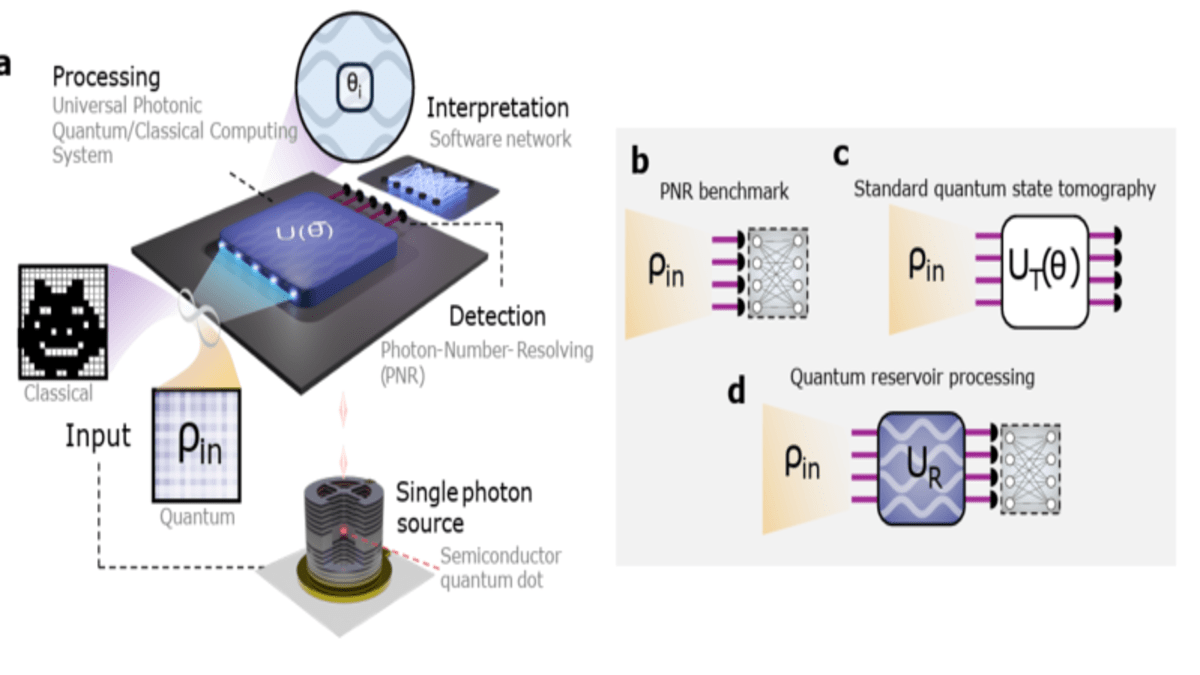
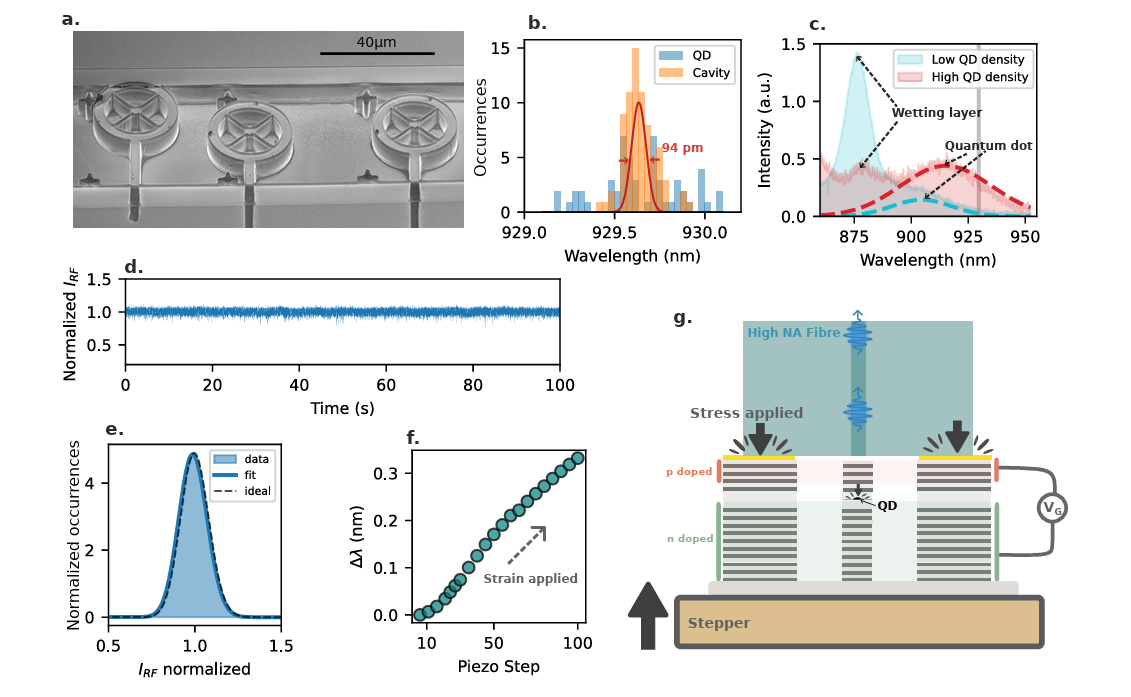
Quandela develops full-stack photonic quantum computers, from single-photon sources and quantum processors to software tools and cloud access. In photonic quantum computing, particles of light are used to encode and process quantum information.
Making Quandela’s systems available through CMC’s Sandbox gives Canadian participants access to another architecture they can evaluate through real experiments. That matters in a field where different hardware approaches continue to evolve and where application development increasingly depends on understanding how those architectures behave in practice.
That access also includes a QPU located in Canada, giving Canadian teams the opportunity to build hands-on experience with photonic quantum computing on infrastructure available within the country.
Quandela’s technology is designed around a path toward scalable, energy-efficient and data-center-compatible quantum computing. Its platform also brings together hardware, software and application expertise, allowing users to explore photonic quantum workflows within a broader computing environment.
Key Takeaways
- Quandela and CMC Microsystems have signed an MoU to develop their collaboration in Canada.
- The first concrete step is Quandela’s integration as a cloud access provider in CMC’s Quantum Computing Sandbox.
- Eligible Canadian academics and SMEs will be able to access Quandela’s photonic quantum technology through supported Sandbox projects.
- The collaboration builds on Quandela’s existing presence and infrastructure in Canada.
- The Sandbox creates an additional channel for Canadian organizations to experiment with photonic quantum computing and develop internal expertise.
Creating the conditions for stronger quantum projects
The integration of Quandela into CMC’s Quantum Computing Sandbox gives the partnership an immediate practical dimension: eligible Canadian teams can bring project needs to the program and explore whether photonic quantum computing is relevant to them.
The value will come from the projects that follow, helping Canadian researchers and SMEs test ideas, build technical expertise and make more informed decisions about where quantum computing can contribute.
Explore the CMC Quantum Computing Sandbox and its current opportunities for Canadian researchers and SMEs.